استابیلایزر مهمترین افزودنی مصرفی در فرمولاسیون PVC است، به طوری که در تمام فرمولاسیونهای این پلیمر یک یا چند نوع مختلف پایدارکننده به کار میرود.
PVC خالص در دمای بالا یا در معرض تابش نور و یا اعمال تنش بالا، تخریب شده و خواص فیزیکی و مکانیکی خود را از دست می دهد. تخریب حرارتی PVC با از دست دادن کلر ناپایدار و تشکیل باند دوگانه در زنجیر و تولید HCI آغاز می شود. باند دوگانه تشکیل شده، سبب ناپایدار شدن کلرهای موجود در واحدهای مجاور شده و کلرهای ناپایدار جدید نیز با تشکیل باندهای دوگانه دیگر از زنجیر خارج می شوند و مرحله تخریب ادامه می یابد. استابیلایزر از تخریب حرارتی مذکور در حین فرایند پیشگیری کرده و ذوب شدن (ژل شدن) PVC را ممکن می کند.
استابیلایزرها بر پایه فلزاتی مانند سرب، کلسیم / روی، قلع، باریم/کادمیوم/ روی، باریم/ سرب و باریم روی تولید می شوند. استابیلایزر بر پایه سرب با توجه به عملکرد خوب، نسبت هزینه به کارایی مطلوب و پایداری حرارتی مناسب همچنان پر مصرف ترین انواع استابیلایزر در صنعت PVC است.
نسل جدید استابیلایزرِکلسیم/روی شرکت همپار در حال توسعه مستمر بوده بطوریکه با نگاه به مسائل زیست محیطی و بهداشتی نسبت به استابیلایزر بر پایه سرب برتری دارد. آخرین نسل از استابیلایزرکلسیم / روی عملکرد خوبی بخصوص در مقادیر phr کمتر نسبت به استابیلایزر کلسیم / روی قدیمی تر دارد.

همپار در صنعت شما
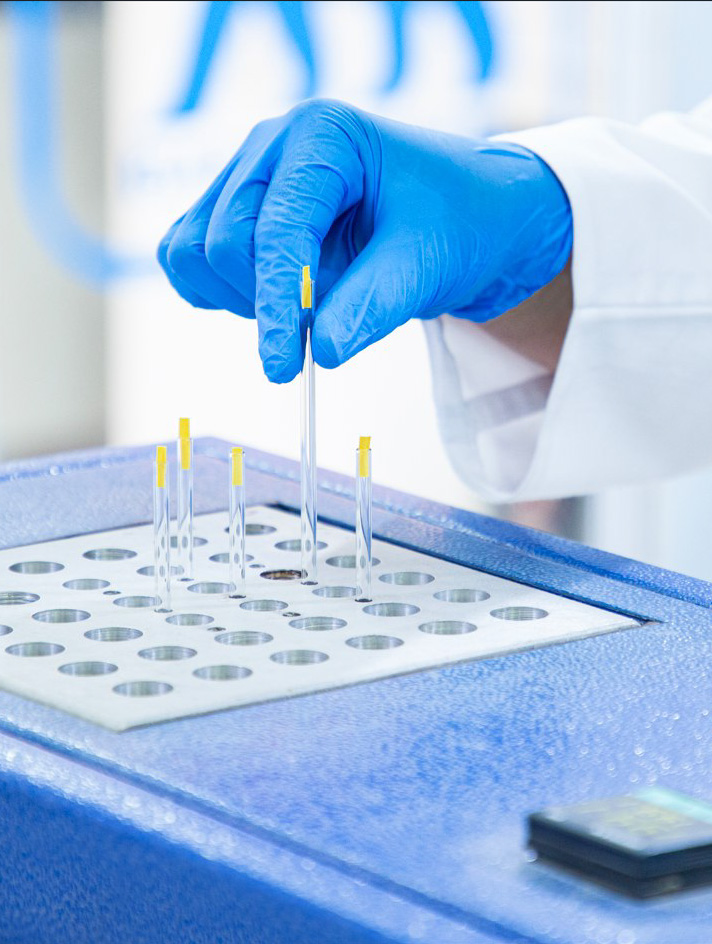
شرکت همپار با پشتیبانی دانش فنی برلوخر آلمان با عرضه افزودنیهای مورد نیاز، شما را در طراحی و تولید آسان محصولات پلاستیکی با بهترین کیفیت در صنایع مختلف یاری می کند.